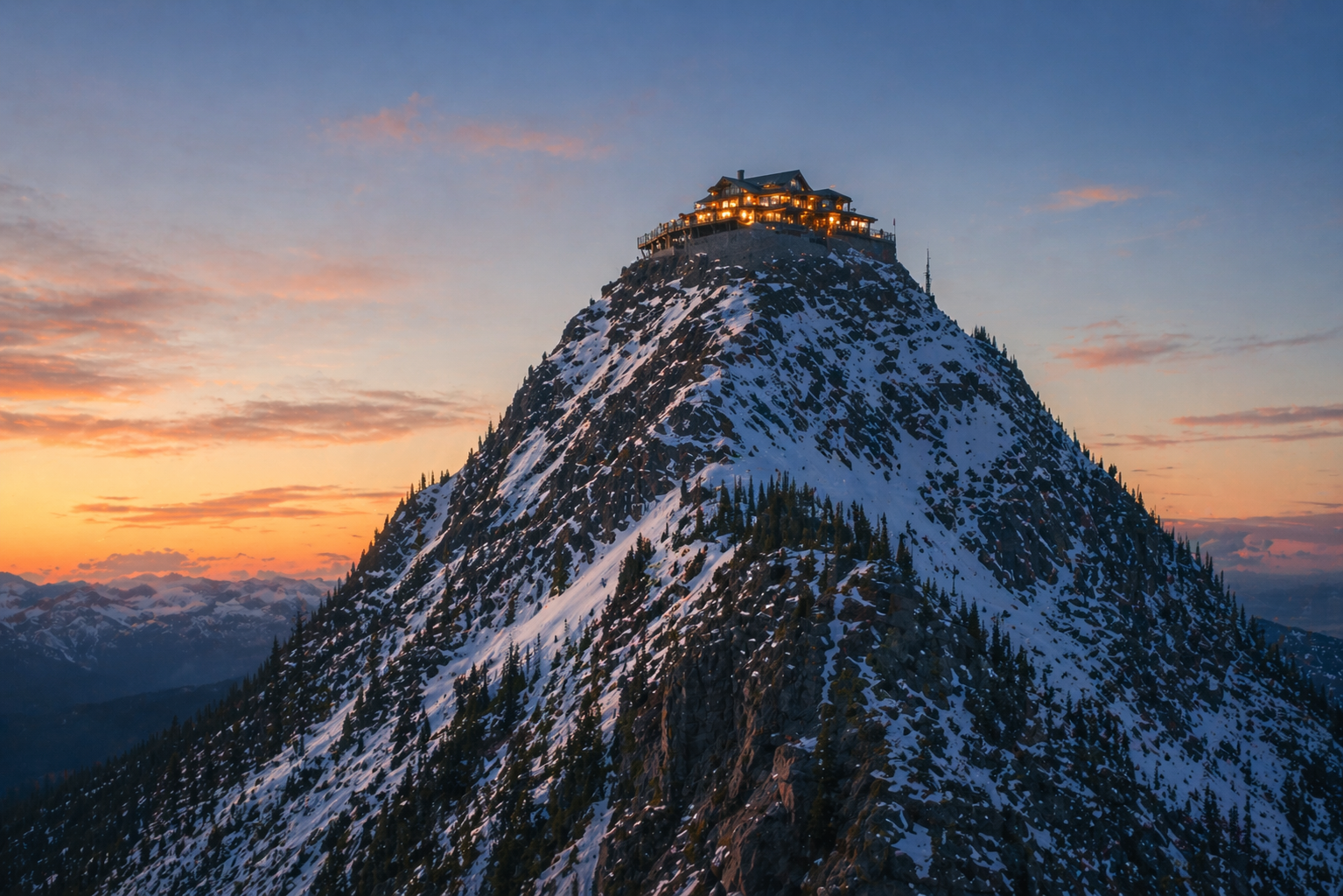
Elevation can effect an ENERVEX Fans performance.
ENERVEX fans not sized for elevation may feel “underpowered”.
At higher elevations, air is thinner (lower density) which creates less mass per cubic foot.
As mass flow and pressure capacity decrease, static pressure increases.
To compensate the need to meet a higher speed on an ENERVEX fan to achieve the same draft against a higher static, the easiest solution may be to size up on the fan.
For Commercial Kitchen applications:
A pizza oven installed at a restaurant atop Mount Krumpit may call for an ENERVEX GSV12 under standard conditions. However, when high-elevation derating is factored into the design, an ENERVEX GSV14 may provide the properly sized solution.
For Residential and other ENERVEX fan application:
A wood burning fireplace usually sized for an RSHT12, with elevation factored in, may require an RSHT14 to properly vent the system.
Additionally, high altitude (typically over 3,300 feet) can significantly shorten an exhaust fan’s motor life.
While a fan moves the same volume of air, that air mass is lighter, meaning it carries fewer heat-absorbing molecules away from the motor. This severely degrades the motor’s cooling efficiency.
Because electric motors rely on surrounding air to dissipate heat from their stator and rotor windings, this continuous deficit causes the motor to run hotter than it would at sea level.
Not getting the expected performance or life expectancy from an ENERVEX fan?
Perhaps your high.